
 7 min read
How Often Should Your Software Development Agency Send Progress Updates?
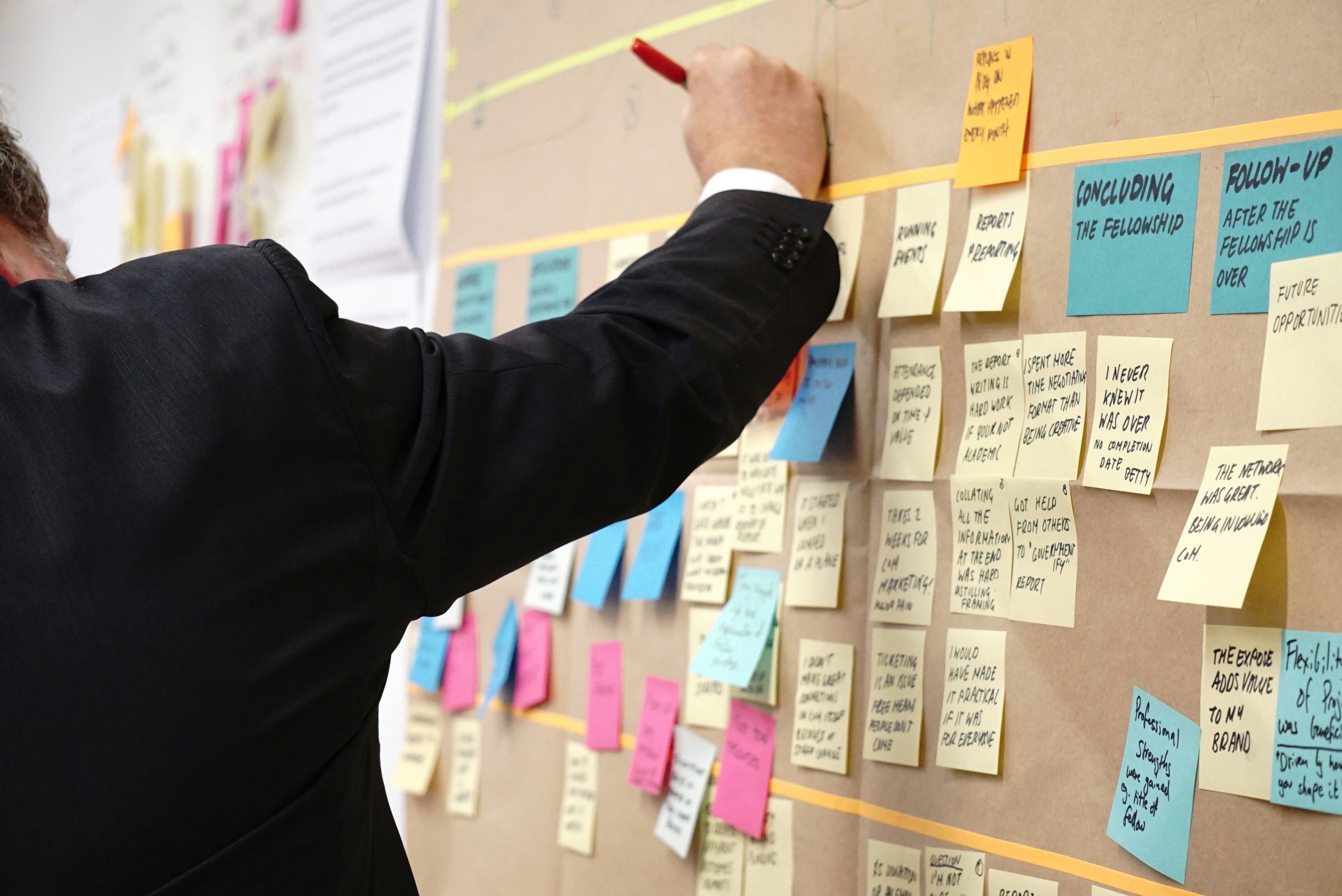


Your software development agency should send structured progress updates at least weekly, with daily brief status updates for most projects. The exact cadence depends on project complexity, methodology, and risk tolerance, but if you're going more than five business days without a substantial update, communication is too sparse.
Most agencies working in agile or iterative methodologies follow a pattern: short daily standups (written or verbal), weekly detailed progress reports, and biweekly or monthly sprint reviews with demos. This creates multiple checkpoints where you can spot scope drift, timeline risk, or misalignment before they become costly problems.
What Daily Updates Should Look Like
Daily updates are not full reports. They answer three questions: what got done yesterday, what's planned for today, and what's blocking progress. In distributed teams, these often arrive asynchronously via Slack, email, or project management tools like Jira or Linear.

A good daily update takes two minutes to write and two minutes to read. If your agency is sending nothing at the daily level, you have no early warning system. If they're sending essays, they're wasting billable time on reporting theater instead of building.
For smaller projects or those in early discovery, daily updates might be overkill. A three-person build with a tight feedback loop can work fine with twice-weekly updates. But once you have four or more developers, distributed work, or external dependencies, daily check-ins become essential to keep everyone aligned.
Weekly Progress Reports: The Anchor
The weekly progress report is where you get detail. This should include:
- Completed work, with links to pull requests, staging environments, or design files you can review
- Work in progress and expected completion dates
- Blockers or decisions needed from your side
- Any scope, timeline, or budget concerns that emerged during the week
- Updated burndown or velocity metrics if you're working in sprints
This is not a changelog dump. It should be written for a non-technical stakeholder and focus on outcomes, not tasks. "Completed user authentication flow, now live on staging" is good. "Merged PR #247, #251, #253" is not.
Weekly reports also create a paper trail. If a dispute arises later about what was delivered when, or what was agreed, these reports are your source of truth. Agencies that skip them are either disorganized or avoiding accountability.
Sprint Reviews and Demos
If your project is running in sprints (typically one or two weeks), expect a sprint review or demo at the end of each sprint. This is a live or recorded walkthrough of working software, not a slideshow.

Sprint reviews serve two purposes: they prove the work is real and functional, and they catch misunderstandings before more code is written on a wrong assumption. If your agency is telling you features are "done" without showing them to you, they are not done.
These sessions should include time for your questions and feedback. A good agency will also use this moment to preview what's coming in the next sprint and confirm priorities. If the demo feels rushed or you're discouraged from asking questions, that's a red flag.
When You Need More Frequent Updates
Some situations justify tighter communication:
High-risk or regulated projects. If you're building a fintech app, handling health data, or working under compliance requirements, expect at least daily updates and often more. The cost of a missed requirement or a security gap is too high to rely on weekly check-ins.
Projects with hard external deadlines. If you have a launch event, a partnership dependency, or a funding milestone tied to delivery, ask for daily standups and twice-weekly detailed reports as the deadline approaches. You need to know about slippage the day it becomes apparent, not the week after.
When the project is off-track. If you've already missed a milestone or the budget is strained, increase the update cadence until things stabilize. This is not micromanagement. It's appropriate oversight when risk is elevated.
Onboarding or handover phases. At the start of a project or during a transition to your internal team, daily updates help ensure nothing is lost in translation.
Red Flags in Update Cadence
Watch for these warning signs:
Updates that arrive late or inconsistently. If the agency commits to weekly reports but they arrive on random days or get skipped without explanation, project management discipline is weak.
Updates that are vague or repetitive. "Making good progress on the API" is not an update. If you see the same language week after week with no tangible deliverables, dig deeper.
No mechanism for you to ask questions. If updates are one-way broadcasts with no invitation to respond, the agency is reporting at you, not communicating with you.
Resistance when you ask for more detail. A professional agency will adjust cadence to match your needs. If they push back on reasonable requests for transparency, they may be hiding problems.
What to Ask for in Your Contract
Make update frequency explicit in your statement of work or contract. Specify:
- Daily standup format (Slack message, email, video call)
- Weekly report delivery day and required contents
- Sprint review schedule if applicable
- Who receives updates (project owner, technical lead, other stakeholders)
- Expected response time when you have questions or blockers on your end
This removes ambiguity and gives you clear grounds to escalate if communication drops off. It also signals to the agency that you expect professional project management, which tends to improve behavior before the project even starts.

Tools and Transparency
The best agencies give you direct access to their project management tools. Whether that's Jira, Linear, Asana, Notion, or GitHub Projects, you should be able to log in and see current status without waiting for a report.
This does not replace structured updates. Raw ticket lists are hard to interpret if you're not in the daily work. But tool access gives you the option to dig into details when something in a report raises a question, and it keeps the agency honest. People write better tickets when they know the client can read them.
Some agencies also maintain a shared Slack channel or use tools like Loom for async video updates. These work well for distributed teams across time zones, where live meetings are inconvenient.
How to Give Feedback on Updates
If the updates you're receiving are too sparse, too detailed, or missing key information, say so early. Most agencies will adjust if you're specific about what you need.
Try: "The weekly reports are helpful, but I'd like to see staging links for anything marked as complete so I can test it myself" or "The daily standups are more detail than I need, can we move to a weekly summary unless something is blocked?"
Good agencies want you to be informed and confident. If they react defensively to a reasonable request for better communication, you may have a larger problem with the engagement.
What Update Cadence Won't Fix
Frequent updates are not a substitute for a good contract, clear requirements, or technical competence. An agency can send you daily updates while still building the wrong thing, burning through budget, or writing unmaintainable code.
Updates give you visibility. What you do with that visibility matters more. If you see a red flag in an update, ask the hard question immediately. If you don't understand something, get clarification. The best communication cadence in the world is useless if you're not reading the updates or acting on what they tell you.
Final Thoughts
Most successful agency engagements settle into a rhythm of daily brief updates, weekly detailed reports, and biweekly demos. That pattern works because it balances transparency with efficiency. You stay informed without drowning in detail, and the agency spends its time building instead of writing novellas about building.
If you're commissioning a software project and need a team that communicates clearly and consistently, Stardelite builds custom software with structured updates and full transparency built into every engagement.
Share this:



 6 min read
