
 6 min read
The Science of Productivity: 10 Hacks That Really Work



Productivity is more than just working hard; it's about working smart. Leveraging scientific principles can help you boost your productivity and achieve your goals more efficiently. In this article, we'll explore ten science-backed productivity hacks that have been proven to enhance focus, manage time effectively, and improve overall performance.
1. The Pomodoro Technique: Maximize Focus with Timed Intervals
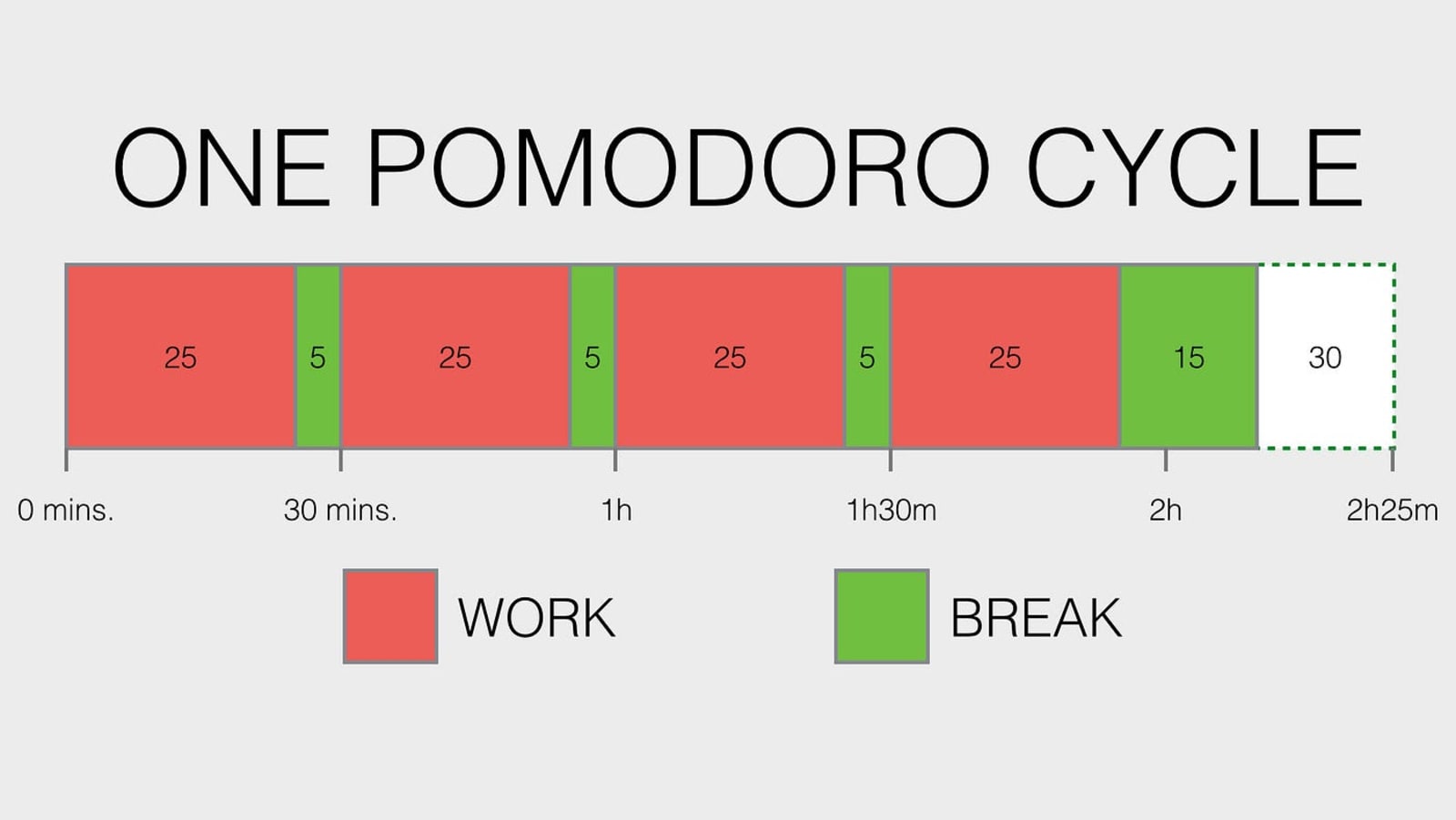
The Pomodoro Technique is a time management method developed by Francesco Cirillo in the late 1980s. It involves breaking your work into intervals, traditionally 25 minutes in length, separated by short breaks. These intervals are known as "Pomodoros."
How It Works:
- Choose a task to work on.
- Set a timer for 25 minutes (one Pomodoro).
- Work on the task until the timer goes off.
- Take a short break (5 minutes).
- Repeat the process, and after four Pomodoros, take a longer break (15-30 minutes).
Benefits:
- Enhanced Focus: Short bursts of work help maintain concentration and reduce burnout.
- Increased Accountability: Tracking Pomodoros provides a visual representation of productivity.
2. Time Blocking: Structure Your Day with Purpose
Time Blocking involves dividing your day into dedicated blocks of time for specific tasks or activities. This technique helps you allocate focused periods for deep work and manage your schedule more effectively.
How It Works:
- List Your Tasks: Identify all tasks and priorities.
- Create Time Blocks: Allocate specific blocks of time for each task.
- Stick to the Schedule: Focus solely on the task during its allocated time.
Benefits:
- Improved Time Management: Reduces procrastination and ensures dedicated time for high-priority tasks.
- Enhanced Focus: Minimizes context switching and interruptions.

3. The Two-Minute Rule: Tackle Small Tasks Immediately
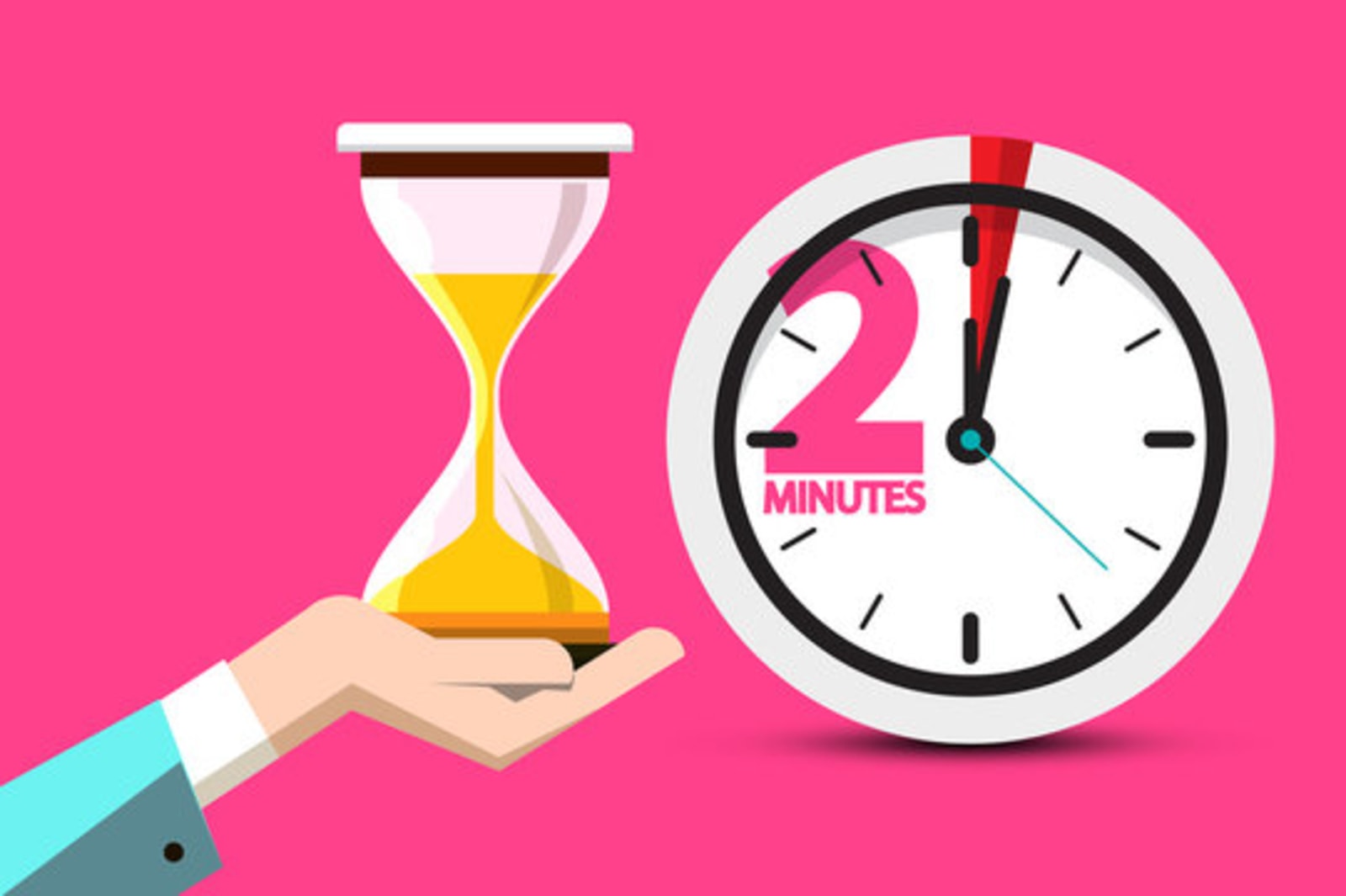
The Two-Minute Rule is a principle from David Allen’s book, Getting Things Done. It states that if a task can be completed in two minutes or less, do it immediately.
How It Works:
- Identify Small Tasks: Determine which tasks can be completed quickly.
- Complete Them Right Away: Handle these tasks immediately instead of postponing them.
Benefits:
- Reduced Procrastination: Prevents small tasks from piling up.
- Enhanced Efficiency: Quickly clears minor tasks, making your to-do list more manageable.
4. The Eisenhower Matrix: Prioritize Tasks Effectively
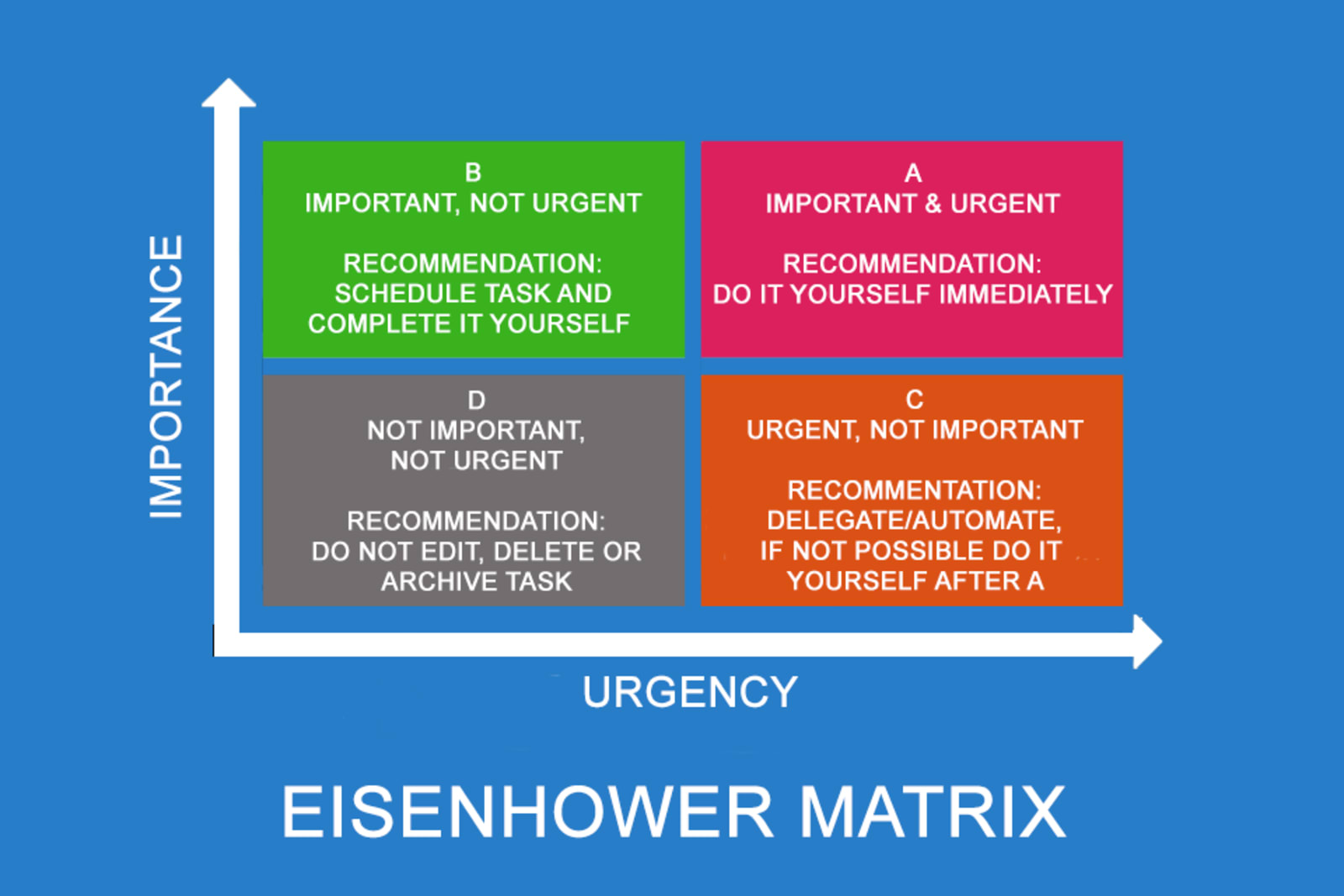
The Eisenhower Matrix, named after Dwight D. Eisenhower, is a decision-making tool that helps you prioritize tasks based on urgency and importance.
How It Works:
- Create a Matrix: Divide it into four quadrants:
- Urgent and Important: Tasks to be done immediately.
- Important but Not Urgent: Tasks to schedule for later.
- Urgent but Not Important: Tasks to delegate.
- Not Urgent and Not Important: Tasks to eliminate or minimize.
- Categorize Tasks: Place each task into the appropriate quadrant.
Benefits:
- Improved Prioritization: Helps focus on tasks that matter most.
- Reduced Stress: Provides clarity on what needs attention.
5. The 80/20 Rule: Focus on the Most Impactful Tasks
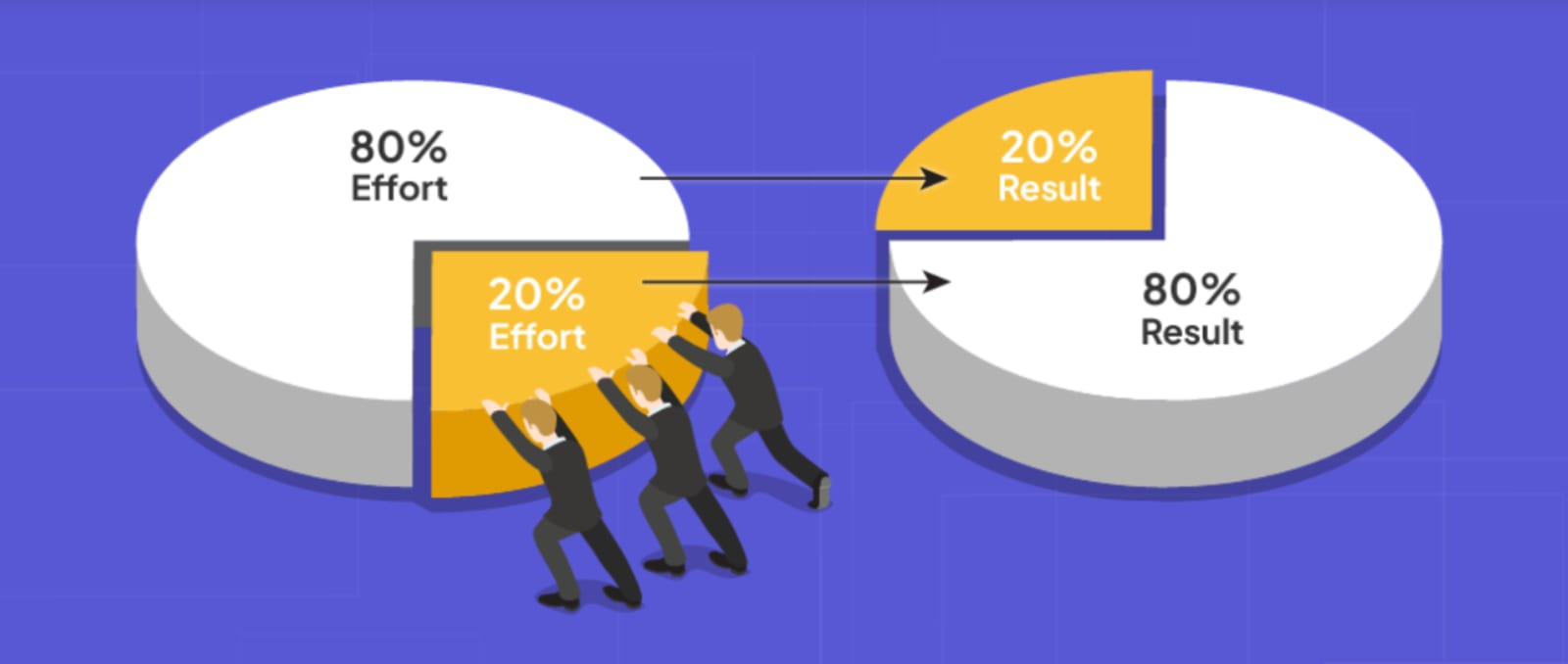
The 80/20 Rule, also known as the Pareto Principle, states that 80% of results come from 20% of efforts. Identifying and focusing on the most impactful tasks can significantly boost productivity.
How It Works:
- Identify Key Tasks: Determine which tasks yield the most significant results.
- Focus Your Efforts: Allocate most of your time and resources to these high-impact tasks.
Benefits:
- Increased Efficiency: Concentrates effort on tasks that provide the greatest return.
- Better Resource Allocation: Helps avoid wasted effort on less impactful tasks.
6. Mindfulness and Meditation: Enhance Focus and Reduce Stress
Mindfulness and meditation have been shown to improve focus, reduce stress, and enhance overall well-being. Regular practice can lead to better productivity by fostering a calm and concentrated mind.
How It Works:
- Practice Daily: Spend a few minutes each day practicing mindfulness or meditation.
- Use Techniques: Focus on your breath, body sensations, or guided meditations.
Benefits:
- Improved Concentration: Enhances your ability to focus on tasks.
- Reduced Stress: Helps manage stress levels and improve mental clarity.

7. The Zeigarnik Effect: Leverage Unfinished Tasks
The Zeigarnik Effect is a psychological phenomenon where people remember unfinished tasks better than completed ones. Use this effect to boost productivity by breaking tasks into smaller, manageable parts.
How It Works:
- Break Tasks into Smaller Steps: Divide larger tasks into smaller, actionable items.
- Focus on Progress: Keep track of incomplete tasks to maintain motivation.
Benefits:
- Increased Motivation: The sense of completing smaller tasks can boost overall productivity.
- Enhanced Focus: Helps manage larger projects by focusing on smaller steps.
8. Set SMART Goals: Define Clear Objectives
SMART Goals is a framework for setting specific, measurable, achievable, relevant, and time-bound objectives. This method ensures that your goals are clear and attainable.
How It Works:
- Specific: Define the goal clearly.
- Measurable: Set criteria to measure progress.
- Achievable: Ensure the goal is realistic.
- Relevant: Align the goal with your overall objectives.
- Time-Bound: Set a deadline for completion.
Benefits:
- Clear Objectives: Provides a clear path to achieving your goals.
- Enhanced Focus: Keeps you motivated and on track.

9. Use the 5-Minute Rule: Overcome Procrastination
The 5-Minute Rule is a technique to overcome procrastination by committing to work on a task for just five minutes. Once you start, you’re often motivated to continue.
How It Works:
- Commit to Five Minutes: Start working on a task for just five minutes.
- Continue If Motivated: If you’re engaged, keep working beyond the initial five minutes.
Benefits:
- Reduces Procrastination: Lowers the barrier to starting tasks.
- Builds Momentum: Helps overcome inertia and build productive habits.

10. Digital Detox: Limit Distractions for Better Focus
A digital detox involves taking breaks from digital devices and social media to reduce distractions and improve focus. This practice helps you reclaim time and attention for more productive activities.
How It Works:
- Set Boundaries: Designate specific times for checking devices and stick to them.
- Take Breaks: Regularly disconnect from screens to focus on offline activities.
Benefits:
- Improved Concentration: Reduces distractions and enhances focus on tasks.
- Better Well-Being: Promotes healthier digital habits and reduces screen fatigue.

Conclusion
Enhancing productivity involves more than just working harder; it’s about using scientifically proven techniques to work smarter. By implementing these 10 productivity hacks, you can optimize your focus, manage your time more effectively, and achieve your goals more efficiently. Embrace these strategies and watch as your productivity soars to new heights.
If turning goals into structured, trackable plans sounds useful, check out GoalPaddy, the AI-powered goal management app built by Stardelite.
References
- Pomodoro Technique: Francesco Cirillo’s Official Website
- Getting Things Done: David Allen
- Eisenhower Matrix: Eisenhower.me
- Pareto Principle: Investopedia
- Mindfulness and Meditation: Mindful.org
- Zeigarnik Effect: Psychology Today
- SMART Goals: MindTools
- Digital Detox: Forbes
Share this:



 6 min read